
Logo Le Roy tuin, de ecokathedraal van Heerenveen

Ecocathedralen: waar plant, dier en mens samenwerken...
... en waar ruimte de tijd krijgt, en tijd de ruimte
Small patches of grass were a thorn in Louis's side.

They can be found everywhere in the Netherlands: small patches of grass with a solitary tree here and there. A thorn in the side of Louis Le Roy!

Such small fields are mowed several times a year, causing nature to be 'switched off' time and again. Le Roy advocated for nature to be 'activated' in 1% of such monocultural public spaces. In 1966, he had the opportunity to realize this in a one-kilometer strip in Heerenveen. To a large extent, this was successful, but in a number of places, the land was still managed traditionally. Until 2005.

Hundred-year contract

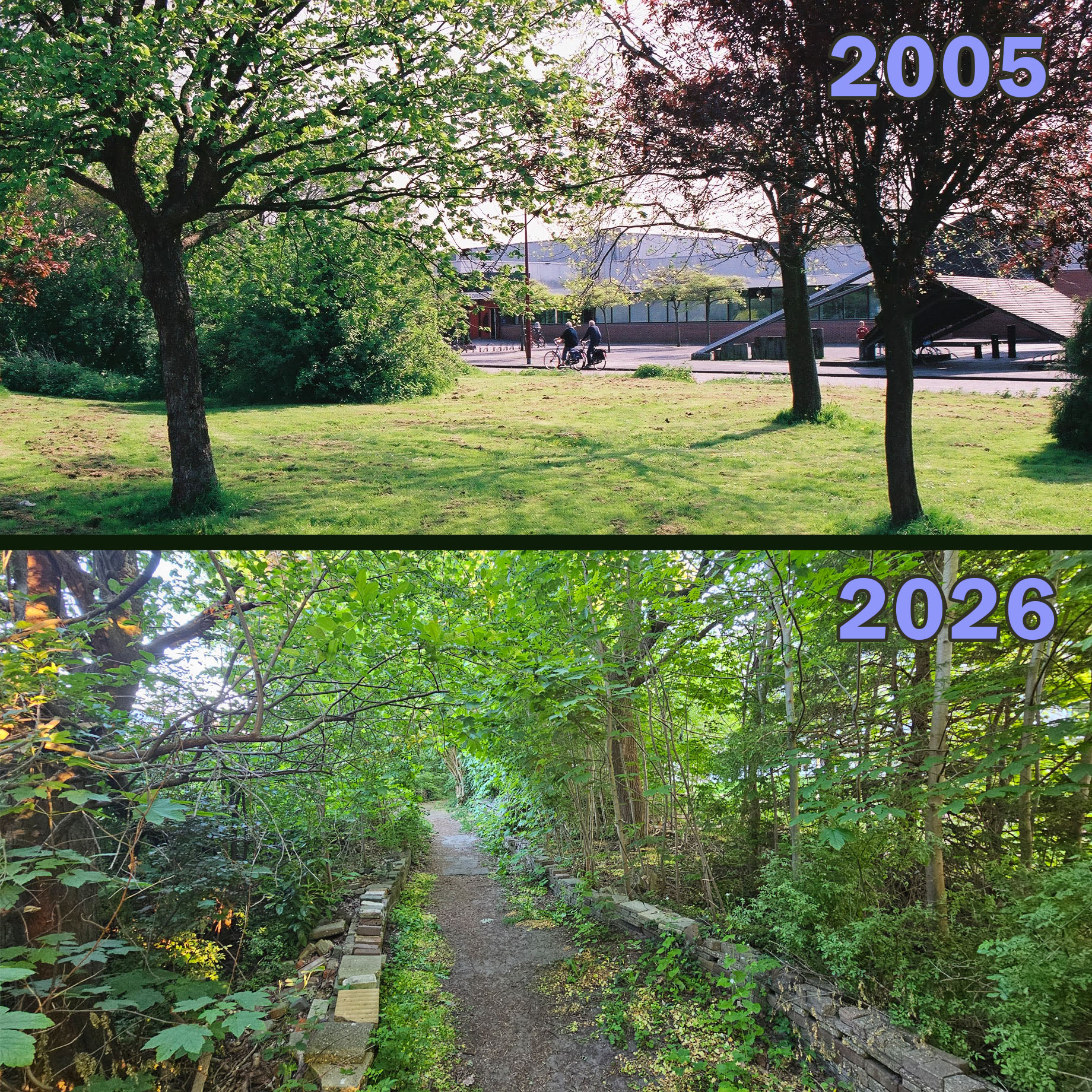
For example, near Sporthal De Telle (now demolished), a large patch of lawn could still be seen until 2005—the year in which the TIJD Foundation signed a centenary agreement with the municipality regarding the management of the Le Roy Garden—which has been developed in an ecocathedral manner since that year.

The difference in both photos is clear: by adding stacked elements and then giving nature the chance to respond, a biodiverse habitat has been created and maintenance is limited to keeping the walking path clear.
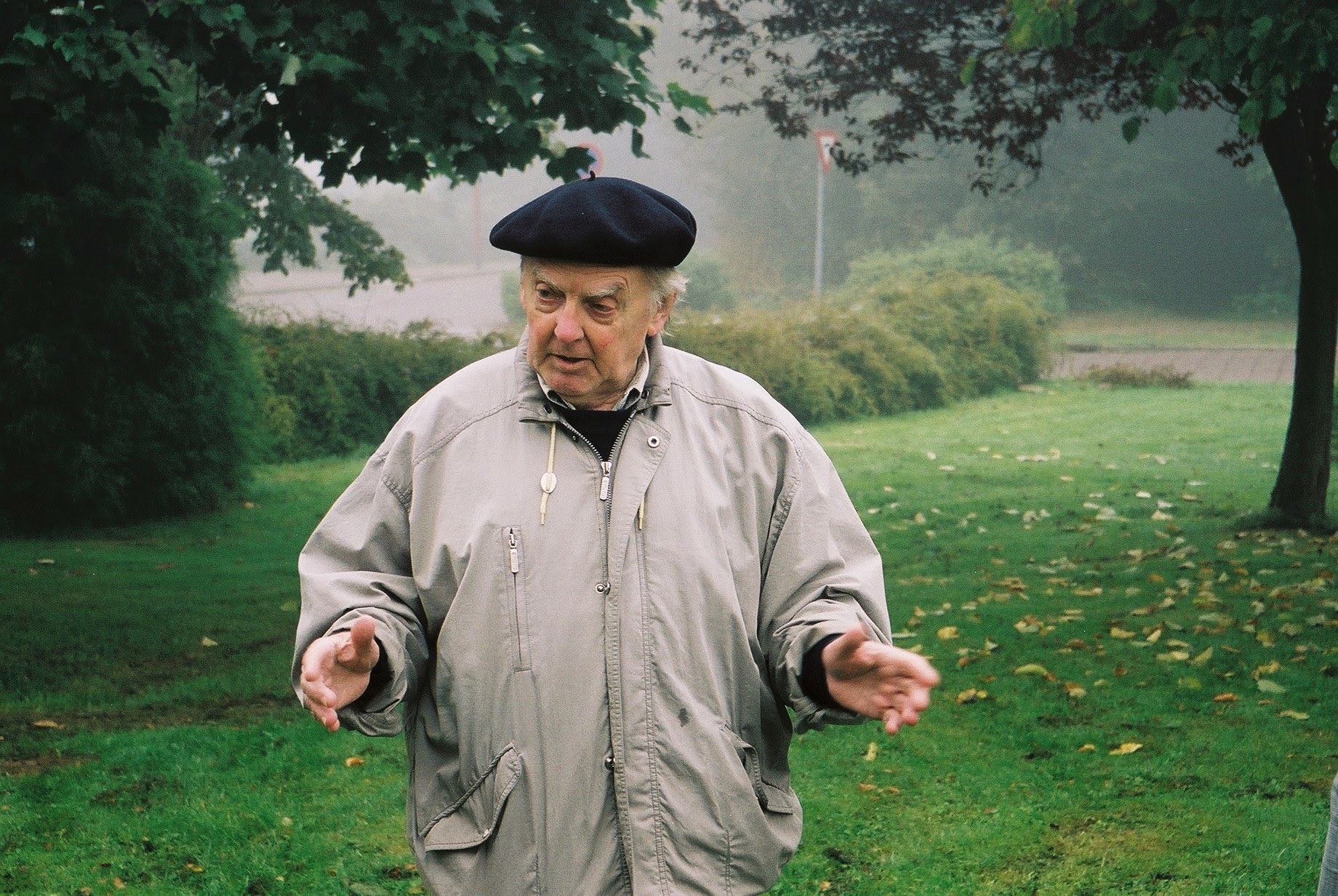
Louis Le Roy at the site where there was still a grass field in 2005.
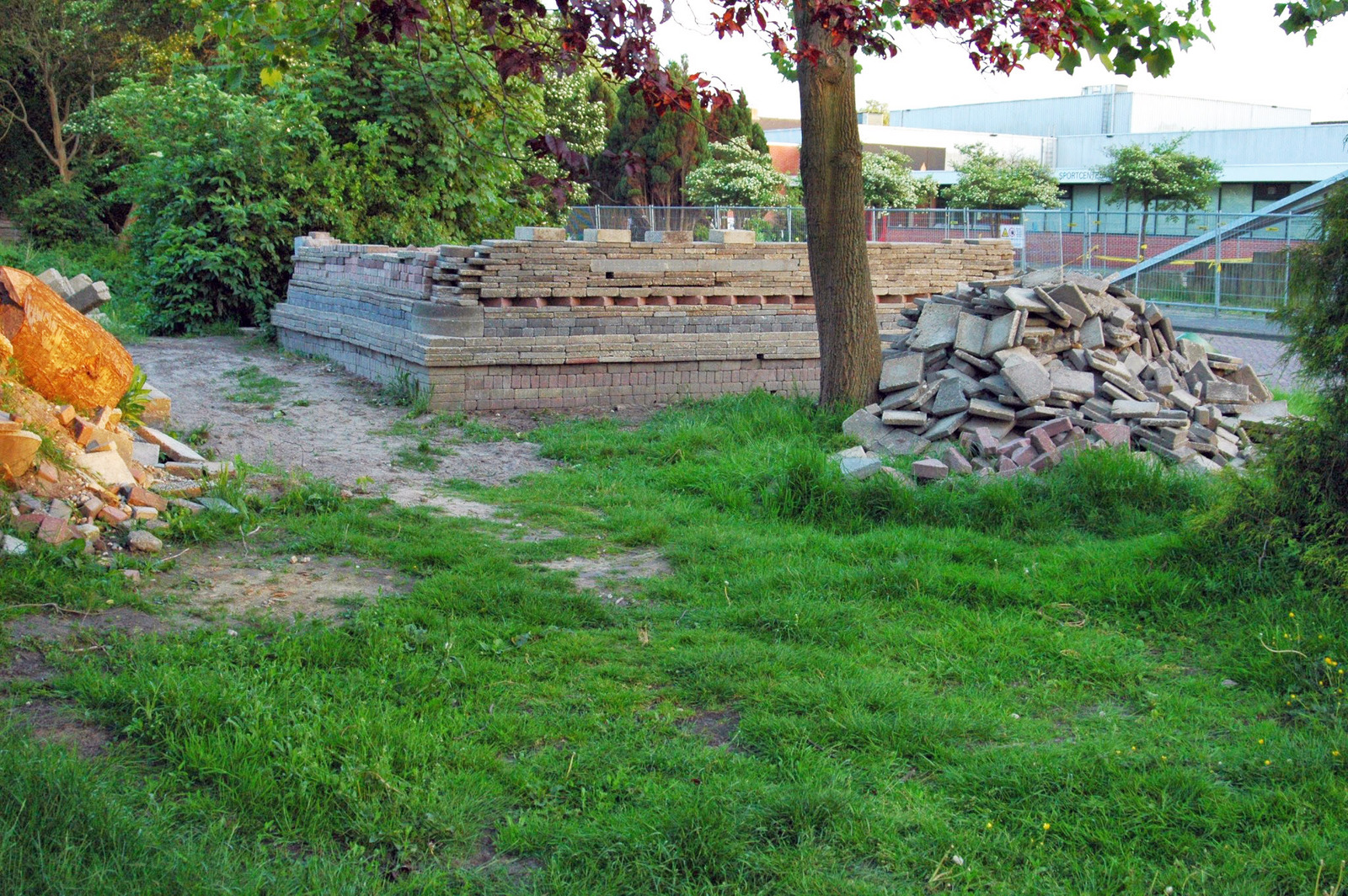
Grass a thorn in the side of Louis le Roy Ecocathedral structures emerged on the former lawn in the years after 2005. (photo: Peter Wouda)
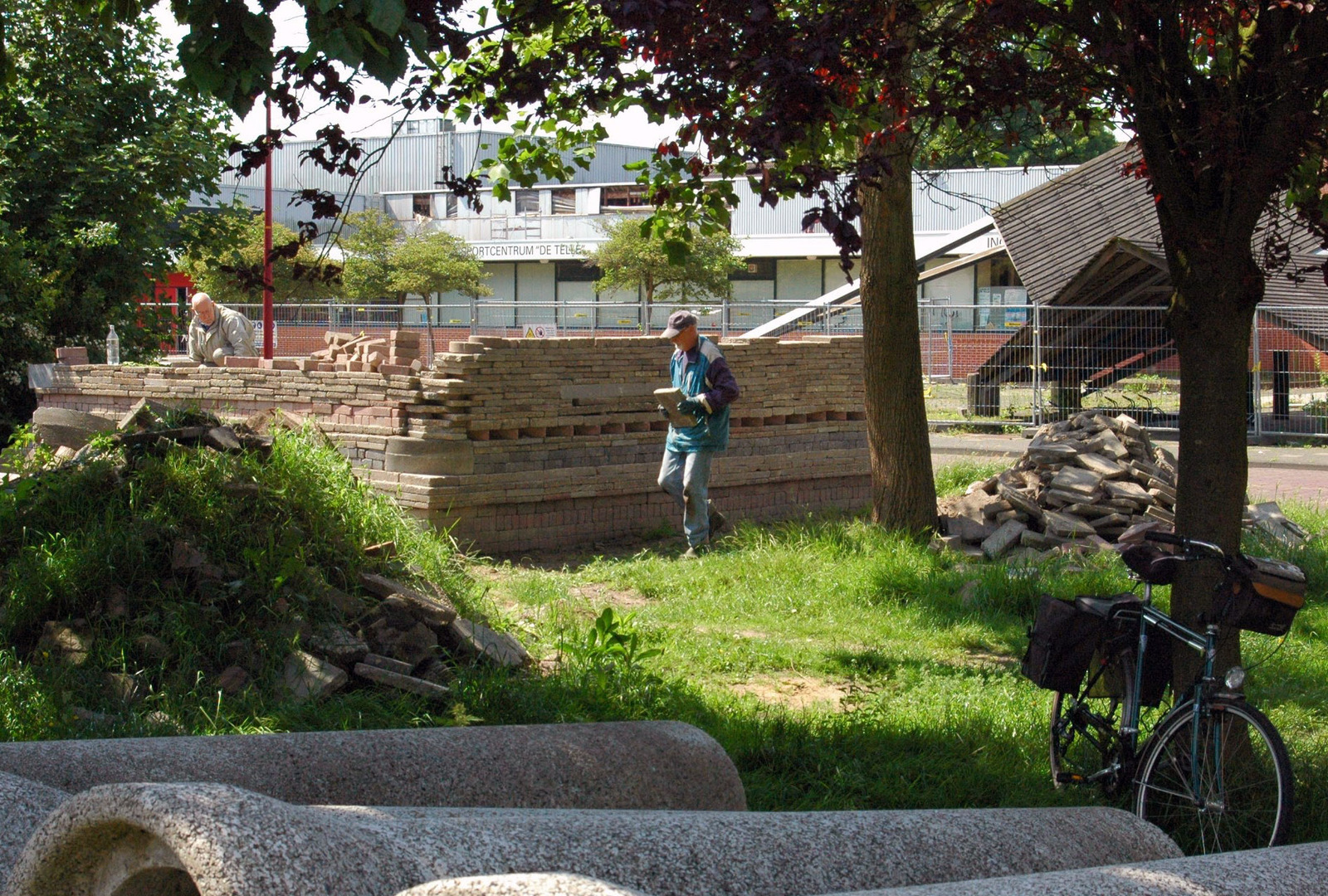
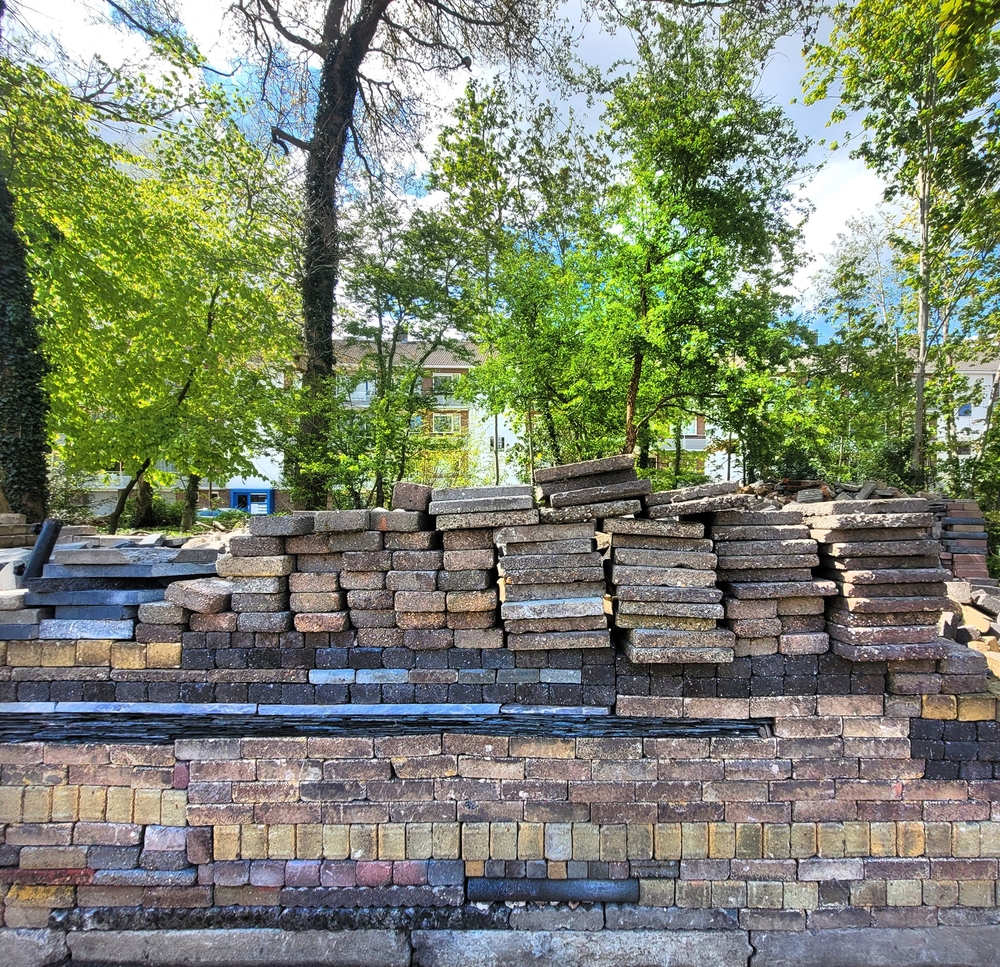
stacking Le Roy garden 2007 The delivered tiles and kerbstones are immediately processed by cathedral builders, here in 2007. (photo: Peter Wouda)
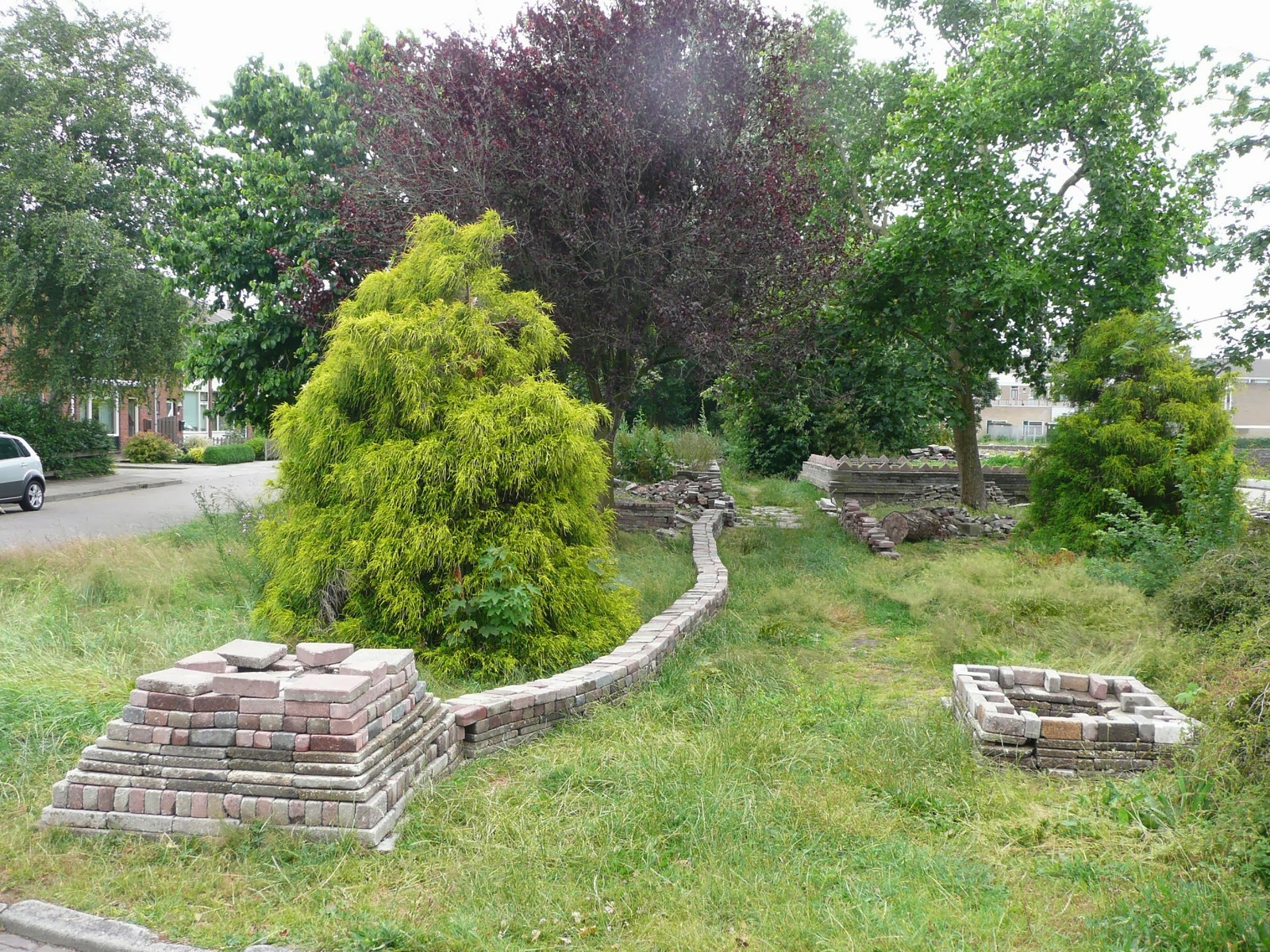
Le Roy Garden 2007 What starts in 2007 with a few piles on the lawn..... (photo: Peter Wouda)
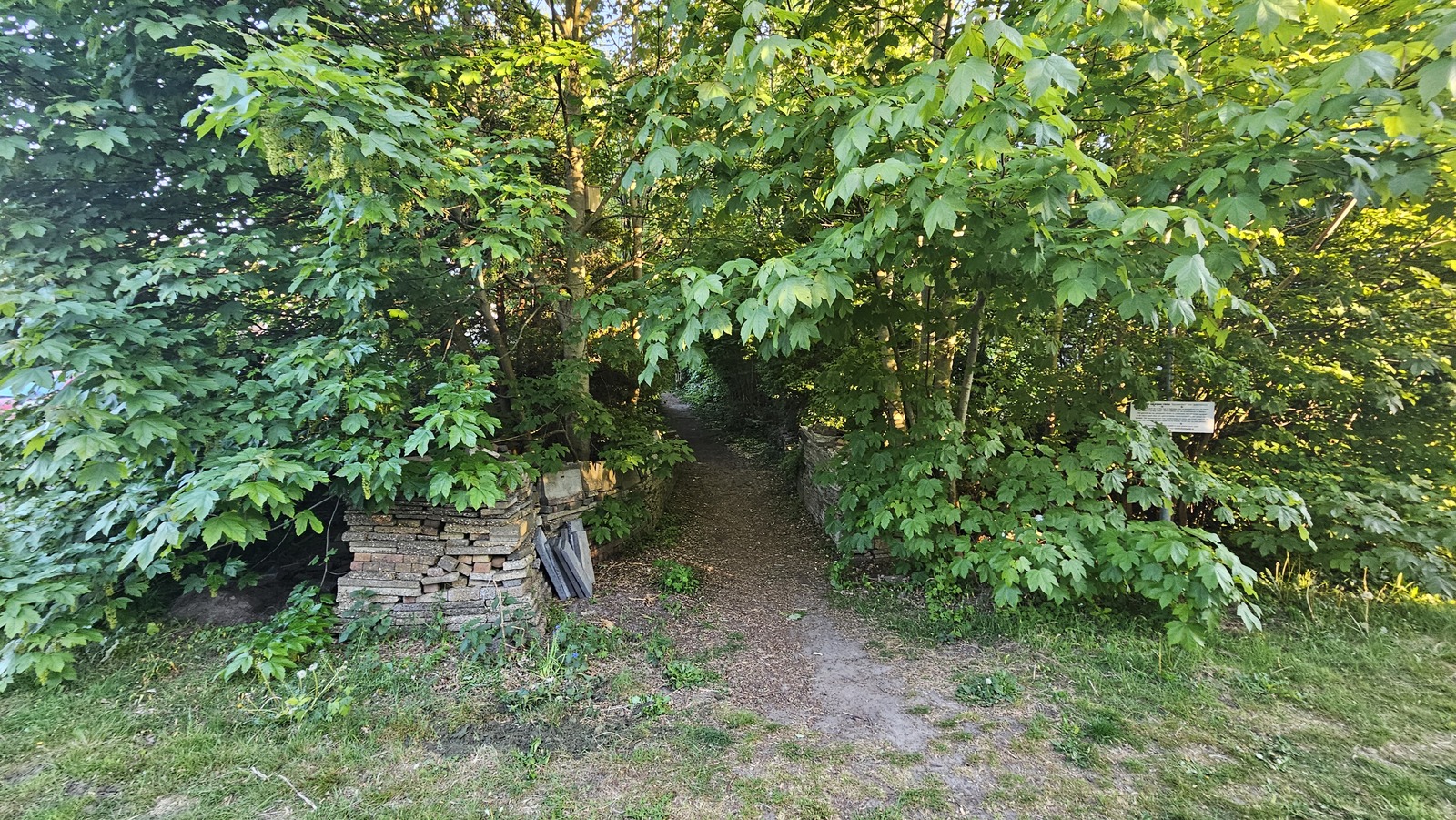
20260508 201003 .... is an exciting entrance to the Heerenveen ecocathedral after almost 20 years! (photo: Peter Wouda)
Want to help out?

Would you like to work as a volunteer on the Heerenveen ecocathedral? You can!
Get in touch , and we'll see what you like and what you can do.
Or come by sometime on a Wednesday morning. We are often working there then.

Agenda

31 Oct 02026;
13:00 - 16:30
TIJD-symposium 02026

The stage is yours!

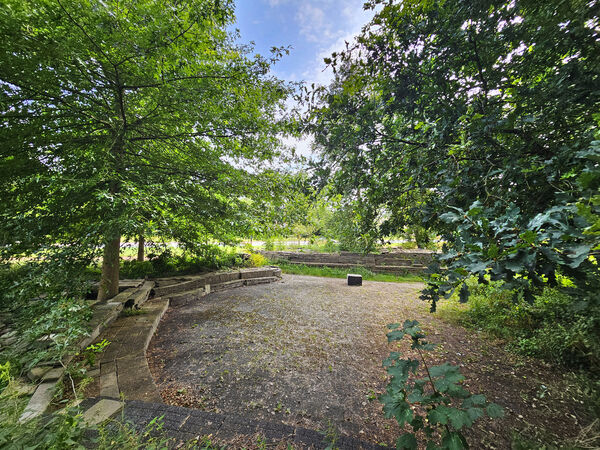
Located in the Le Roy Garden is a small, atmospheric open-air theatre with a capacity of approximately 80 visitors. It is ideal for staging small performances of singing, recitation, music, theatre... Email or call us and inquire about the possibilities.

thumb open-air theater le roy garden

Guided tour or lecture on ecocathedrals?

Would you like a guided tour of the Le Roy Garden, or a lecture on ecocathedrals? Please contact us. You can do so by email or by phone at 06-24573020 .

Donate stones?

Do you have any stones left over and would you like to donate them to the Le Roy garden? Please contact us first, so you can immediately find out whether (and if so, where) you can bring the stones. Bringing (or collecting) material without prior notice is therefore not permitted.

tiles NK tile removing in ecocathedral Heerenveen


See also:

Other long-term art projects

Various artists have been inspired in one way or another by the long term, also known as cathedral thinking. A number of interesting examples:

  1. The Letters of Utrecht (02000 - as long as there are Saturdays): a poem that is written letter by letter every Saturday in the city center of Utrecht using stones.
  2. The Time Pyramid of Manfred Laber in Wemdinge, Germany
  3. The Future Library (02014 - 02114) of Katie Paterson in Oslo, Denmark.
  4. The Longplayer at Trinity Buoy Wharf in London, a musical piece that lasts 100 years and has been playing since January 1, 2000.
  5. The Tropfenstein machine (01996–02496) with which a stalactite is made in a museum in Hamburg.

" For a proper understanding of what is written, it must always be borne in mind that when nature is mentioned, natural processes are *always* meant, but never nature in its temporary form ." Louis G. Le Roy ( 1924 - 2012 )

" When we build, let us remember that we are building for eternity. Let it not be for present pleasure, nor for present use only; let it be such a work that our descendants will be grateful to us for it ." John Ruskin (1819–1900)